On the Road to Emmaus | Luke 24:13-35
The two travelers on the road to Emmaus don’t recognize Jesus until the end of their time with him. When they express their confusion over the events around his death, Jesus calls them “slow to believe.” They didn’t have a knowledge issue, or a memory issue. They had a belief issue.
One of the surprising things in this story is how these two travelers don’t recognize Jesus until the end of the day, after traveling with him for several hours. Why is that?
One reason that Jesus is intent on revealing himself through Scripture first. (See the previous blog post, In Every Book.) But I think another reason has to do with spiritual blindness.
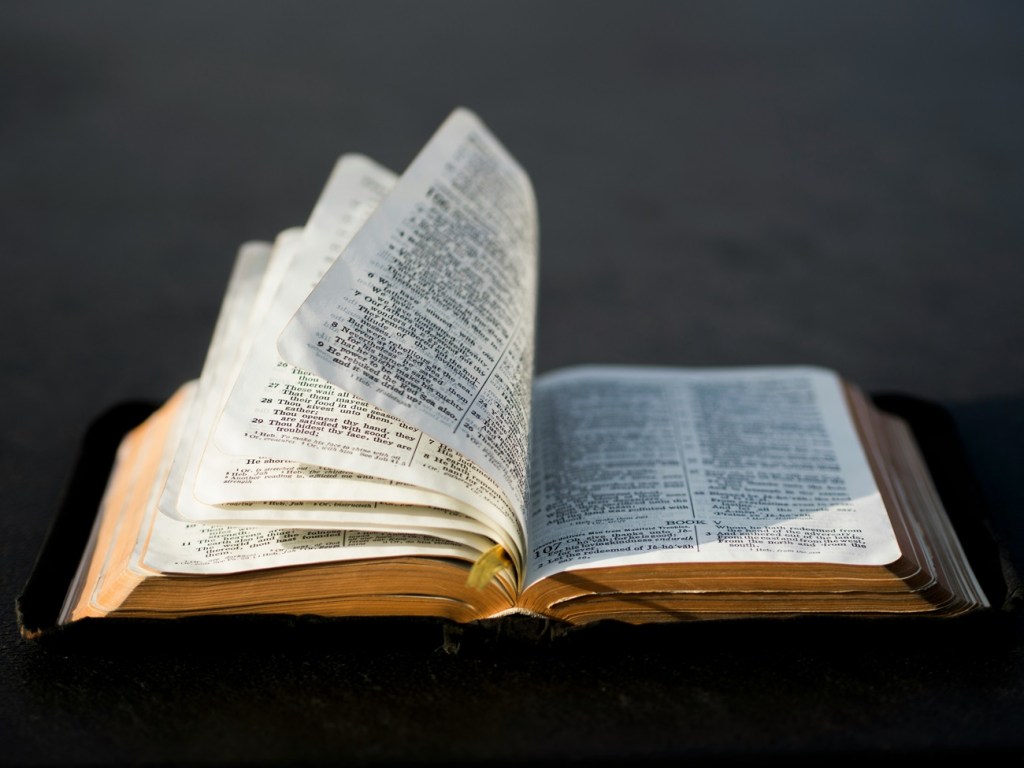
One of the words that is repeated in this story and in the next is “opened.” When the two travelers do recognize Jesus, it says that “their eyes were opened.” They also talk about how Jesus “opened the Scripture to them.” And in the next story, Jesus will open the minds of the disciples to Scripture.
So you see, they had been closed off to seeing what God might actually be doing through all of this. And so they don’t recognize him.
What then is the cure for spiritual blindness? It’s belief. Look at Jesus’ rebuke after they tell him what things they had been discussing. They share their disappointed hopes and how they can’t even find his body. And Jesus responds with, “how foolish you are and slow to believe.” He doesn’t point out a lack of remembering or knowledge or understanding. He says that they have a belief problem.
Now, knowledge and understanding are important to belief. That’s why Jesus takes them through a highly condensed Old Testament Bible course. He wants them to wrestle with what Scripture says.
Wrestling with Scripture can be tough because sometimes the Bible says things that seem contrary to reality, like that the dead can come back to life. And sometimes God’s Word goes against what our own plans and hopes had been.
The disciples had hoped that Jesus would redeem Israel by giving them political freedom. They don’t see how suffering can be part of the plan.
Sometimes what God says can be offensive to us and hard to swallow, like when he calls us foolish and slow to believe. We don’t always like what his Word has to say.
Sometimes it can take work to dig into the Bible and understand it, and it can take time. These travelers had been listening to Jesus for hours as they walked on the road.
And sometimes we need help to understand God’s Word. It can be humbling to ask for that help.
And yet all this wrestling with Scripture is worth it because God’s word is powerful. We see that right here in this story; these travelers were eating up what Jesus had to say. That’s why they urge him to stay with them once they reach Emmaus. And then what do they say when they recognize Jesus and he disappears? “Weren’t our hearts burning within us while he talked to us on the road and opened Scripture to us?”
This is the good kind of heartburn when you suddenly understand things that had been confusing or challenging before. I’ve been blessed to have that throughout this season of the blog. It’s been a ton of work putting each post together, but I’ve loved it because I’ve learned so much in the process.
So when did the travelers recognize Jesus? When he took the bread, gave thanks, broke it and began to give it to them. What does that remind you of? The Last Supper, where Jesus explained how the Scriptures about Passover actually point to him, the ultimate Passover Lamb (Luke 22:7-23). I believe that’s when these travelers finally believed Jesus’ words.
Our key truth for today is that we need to believe God’s Word.
There are a lot of people who know the Bible inside and out: scholars and historians, people who’ve grown up going to church, even some pastors. And yet all this knowledge has not transformed them. It might be because they don’t believe it.
The travelers in this story had also grown up with the Scripture. They had even spent time with Jesus face to face. But they hadn’t applied what they’d learned to their own hearts. They still didn’t believe. So Jesus allows them to sit in their initial confusion and doubt, to feel that struggle so that it might push them to wrestle with his word and then believe.
You may be sitting in confusion or doubt as well. Maybe you know the Bible or think you know it, but it hasn’t transformed you. If that’s the case, you don’t have a knowledge issue or an understanding issue. You have a belief issue.
In Luke 23:47-49, we meet a centurion who was overseeing Jesus’ crucifixion. He was there when Jesus breathed his last, and he said “surely this was a righteous man,” and he praised God. What he saw of Jesus on the cross was enough for him to believe.
You have way more than he did. You’ve heard so much. You’ve learned so much. You’ve read so much. You have enough to trust and believe.
But it’s not just those who haven’t yet trusted Jesus as their Savior who have this belief issue. Even those of us who have been Christians for a long time can still struggle with it.
God has given us so many amazing promises in his Word. We’ve read them. We know them. We may have Post-It notes and beautiful artwork on our walls covered in those promises.
But our lives show that we don’t actually believe them. We live in worry and fear and doubt. We hide and cut corners and try to figure things out for ourselves.
We don’t have a knowledge problem. We have a belief problem
Today as you go, think about what it would look like to fully live out your beliefs, particularly in the resurrection.
Would your life look different if you not only believed in life after death, but actually lived for it, focused on it, embraced it? Would it change you?
If so, ask God to help you actually live that out, because Jesus is urging us to believe.
 Amy C Walters
Leave a comment